Skip to content

City and field games

Follow the clues, solve puzzles, and discover the next steps in your quest! Our city and outdoor games awaken true treasure hunters.

Proven scenarios for groups from 10 to 500+ people, available throughout Poland.

Free quote within 24 hours

    MIRACLE scenarios

    Check out the TOP scenarios for city and field games

    When will urban and outdoor games be effective?

    For teams and organizers who want to turn an ordinary event into an engaging adventure.

    HR

    Company integration

    For teams eager for shared experiences.

    team leader

    Picnic

    For those who have the most fun on the move.

    Agency

    Promotional event

    If you are looking for an attraction that engages the crowds.

    How does it work?

    1

    Welcoming the participants

    Participants are divided into teams of 4-8 people. They learn the game's rules and procedures, receive game materials, and develop a strategy.

    2

    Start gry

    All teams start at the same time. Their goal is to solve tasks and puzzles located in a specific area within the allotted time.

    3

    Field activities

    Teams move to the next task points based on a paper map, GPS and other clues.

    4

    LOQUIZ app

    Participants use provided tablets with the free LOQUIZ application or their own phones.

    5

    Tasks

    There are three types of points during the field game: facilitator-assisted, self-service, and mobile app-based. Facilitators coordinate tasks and award points for completing them.

    6

    GOAL

    Teams, regardless of whether they managed to reach every point and solve all the tasks, reach the FINISH LINE at the specified time.

    7

    The end of the fun

    After tallying the points based on the team rankings, we announce the results. The winning team receives prizes, eternal glory, and honor!

    We create city and field games for large groups of up to 1000 or more . We also organize city and field games, including puzzle quests . We also create attractions for large-scale city picnics, for example, for 15-25 visitors . An example is the Anniversary Picnics we organize for the Royal Castle in Warsaw.

    We offer a range of attractions, both indoors and outdoors , allowing you to quickly move the fun from the outdoors to indoors. As the name suggests, we can't move urban and outdoor games , so in such cases, we usually continue the fun outdoors, despite the rain. Our games are guided by the principle: "There's no such thing as bad weather, only inappropriate clothing." If necessary, we provide raincoats for participants. Before every outdoor event, we monitor the weather forecast 24 hours before the event with reliable weather services, and in the event of heavy or dangerous rainfall or other inconveniences, we contact you to adjust the event. And if you'd like to hear more about how we deal with unpredictable weather, visit our Wonder Guide on YouTube and watch a video on this topic.

    The gameplay mechanics are very similar: urban games are most often played in urban spaces, while outdoor games take place in parks, forests, mountains, or hotel grounds, among other locations. In both cases, participants solve puzzles, complete tasks, and complete a story-driven mission.

    All teams begin play at the same time. Using a paper map, a mobile app, or story clues, they navigate between game points, solving puzzles, and completing tasks. At the end, everyone gathers for a finale and the announcement of the results.

    Participants have access to the same task points. However, because teams decide both the order in which they complete tasks and the pace of their travel, planning their own route and strategy, not every team will always visit the same points during the game.

    Our urban and outdoor games combine logic puzzles, skill and dexterity challenges, and challenges requiring good communication and cooperation. Thanks to their wide variety, each participant can utilize their strengths.

    The finals of the field game can be conducted in two ways. In the competitive mode, teams compete for the best time, the highest number of points, or the most completed tasks. In the cooperative mode, all teams work towards a common goal – for example, during the game, they acquire code fragments that, when combined, will open the final prize chest.

    Teams receive points for: reaching the target location, completing the task correctly, and demonstrating determination and commitment. It's important to adhere to the basic rules and regulations of the game, such as teams moving and navigating the game map together (a team that arrives at a point without a full complement is unable to complete the task), as well as traveling in a manner appropriate to the game's rules – for example, only on foot or by public transport, or in the case of bicycle games, on a two-wheeler, etc.

    The final result is determined by the number of points earned, the time of completion and reaching the finish line within the allotted time.

    During our field games, participants encounter three types of points:

    • tasks conducted by animators,
    • self-service points,
    • tasks performed in the mobile application.

    This combination makes the gameplay dynamic, varied and full of surprises.

    Not always. Depending on the scenario, participants use paper maps, a mobile app, or both. If we use the app, one device per team is sufficient, and there's no need to create an account.

    Absolutely, we personalize games to meet specific needs. We estimate dedicated integration activities after thoroughly understanding your expectations. This allows us to best determine possible integration options and present you with specific options. For companies , we prepare dedicated attractions and activities that reflect your company and its specific business, as well as promote your product or brand among employees, customers, and business partners. For cities and cultural institutions, we develop personalized games that promote both the city and bring residents together. Themes of city games most often revolve around the city's history or tourist attractions, as well as national events celebrated within a given city.

    We organize games for groups ranging from 10 to over 1000 people. We tailor the number of entertainers, stations, and routes to the size and nature of the event (including the season, location and terrain, age of participants, etc.).

    Of course! We also produce all our scripts in English, at no extra charge.

    Absolutely! For teams interested in developing soft skills, we offer the option of combining a game with a trainer-led workshop. During a city or field game, the trainer observes the participants' communication, collaboration, and decision-making. After the game, the trainer shares their observations and debriefs in a friendly and safe atmosphere. This allows participants not only to have fun but also gain valuable insights into how their team functions.

    Contrary to appearances, no! We design our scenarios to prioritize cooperation, creativity, communication, and fun. The tasks are varied—some require logical thinking, others dexterity, observation, or creativity. Our urban and outdoor games are open to people of all ages and physical fitness levels—children (from 2-3 years old), teenagers, adults, and seniors. When asked this question, we always cite the example of one of our outdoor game participants—a pregnant mother with a baby in a sling, who made it to the finals (true story). Therefore, being fit or physically fit like a professional runner isn't necessary.

    No! This is one of the most common myths about urban and outdoor games. Our scenarios aren't about a grueling race from point to point. Perception, good strategy, and teamwork are far more important than speed. Each team decides how to plan their route, at what pace they complete each task, and whether and which points they visit. Our games welcome children, adults, and seniors, and one of the finalists was once (sic!) a pregnant woman with a baby in a sling. Therefore, you really don't have to worry that participating requires the stamina of a marathon runner. An open mind is much more helpful than fast legs.

    Request a quote:

      Quick contact:

      We turn cities into game boards and participants into adventure heroes

      We turn cities into game boards and participants into adventure heroes

      City and field games allow you to enter a world for a few hours that you have previously only known from movies, books and adventure games.

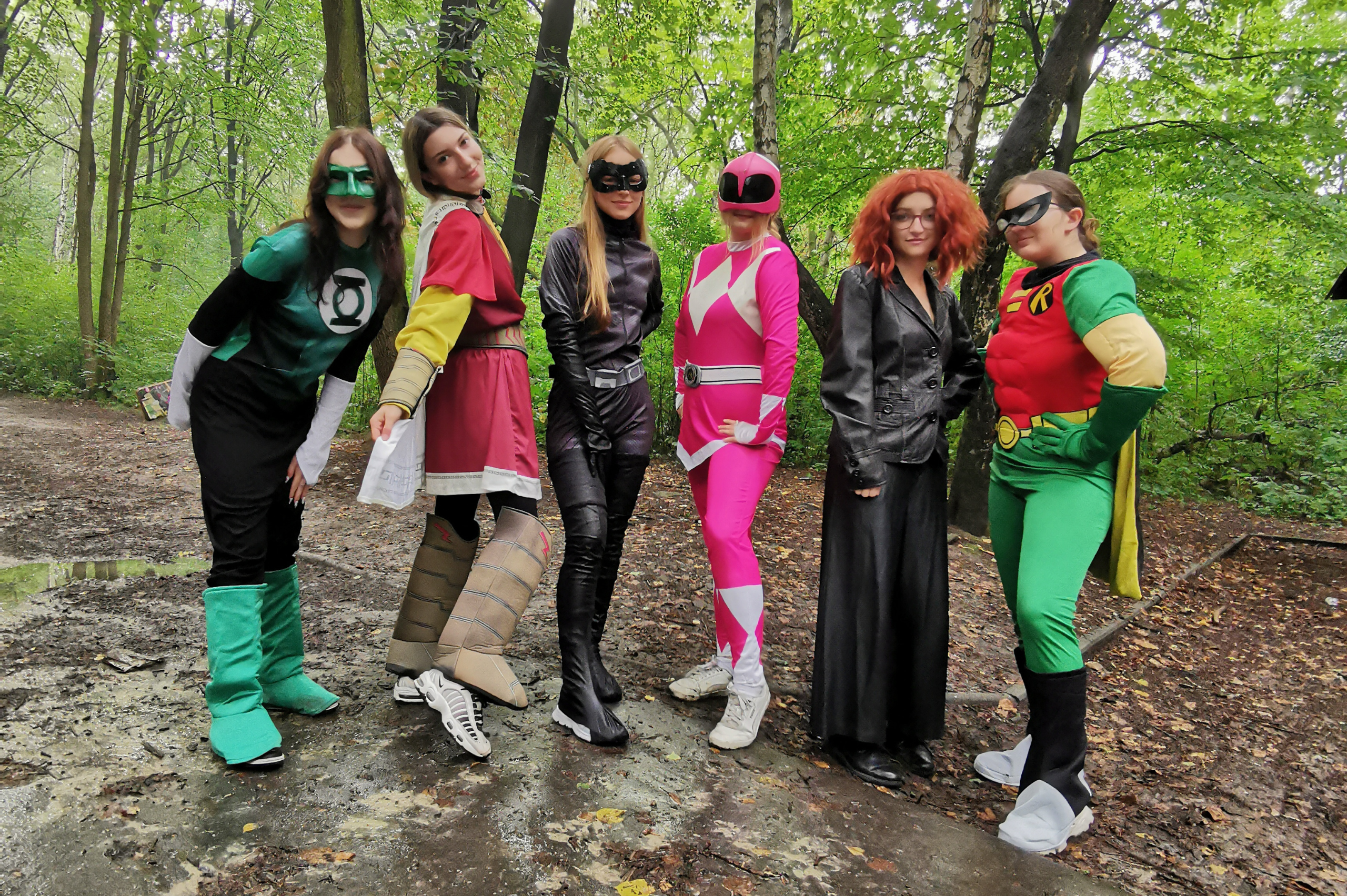
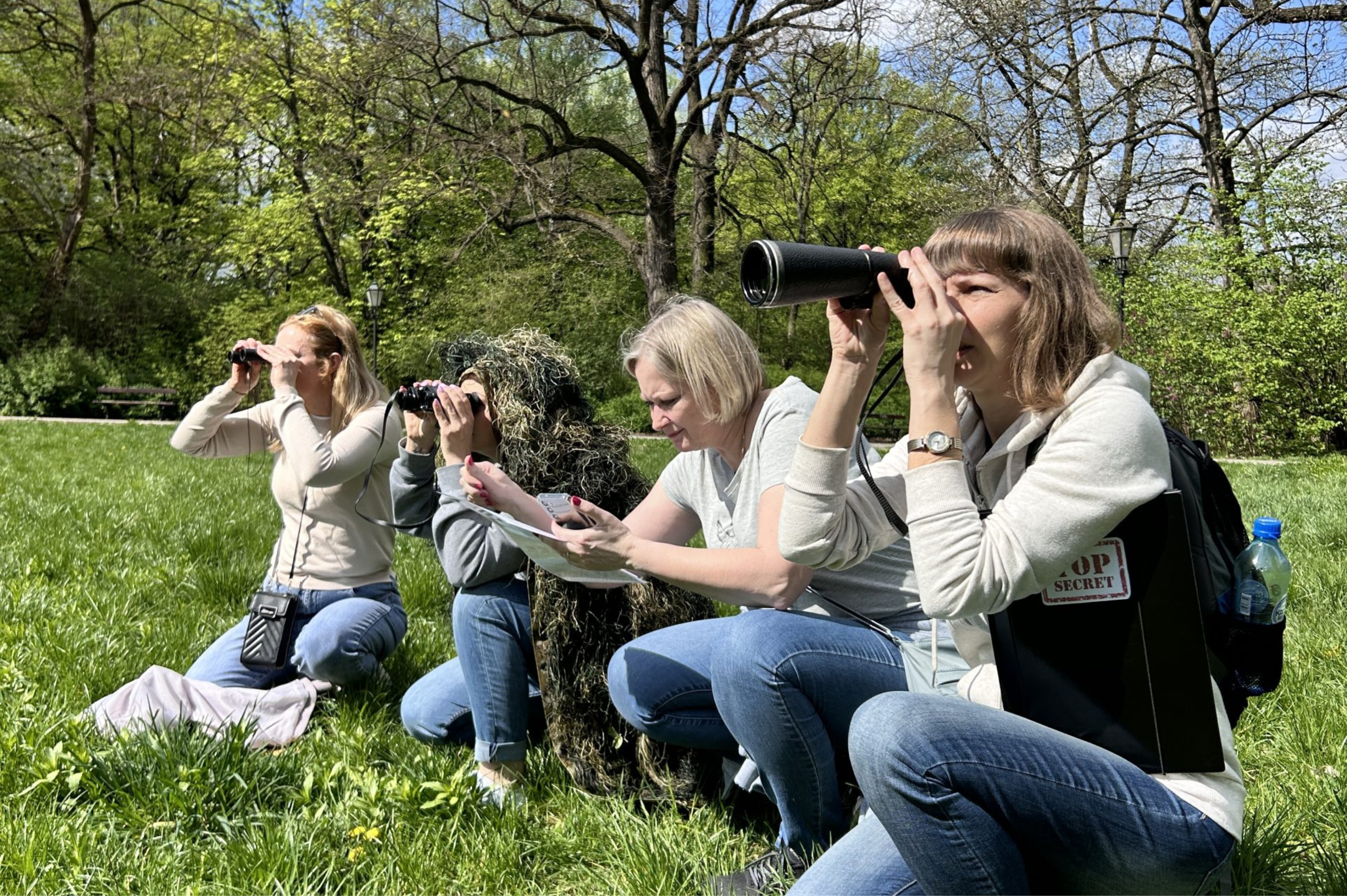
      You become the heroes of the story. Sometimes you take on the role of secret agents, other times you hunt down hidden treasure like Indiana Jones, or try to save the world like the Avengers.

      A city, a hotel, a forest, or a mountain trail transforms into a board full of puzzles, missions, and unexpected twists. Each clue leads to the next challenge, and each point brings the team closer to victory.

      A map, a mission, and hundreds of challenges along the way

      All teams begin the game at the same time and have a set time to complete their mission. From the start to the grand finale, participants navigate a designated area using a paper map, GPS, or a mobile app. Along the way, they will encounter logic, skill, manual, and team-building challenges, for which teams earn points.

      The order in which tasks are performed is not dictated. Each team plans its own route, establishes a strategy, and decides which tasks to complete first.

      This combination of adventure, cooperation, and healthy competition keeps participants engaged in the game from the very first minutes.


      Each task brings you closer to victory 

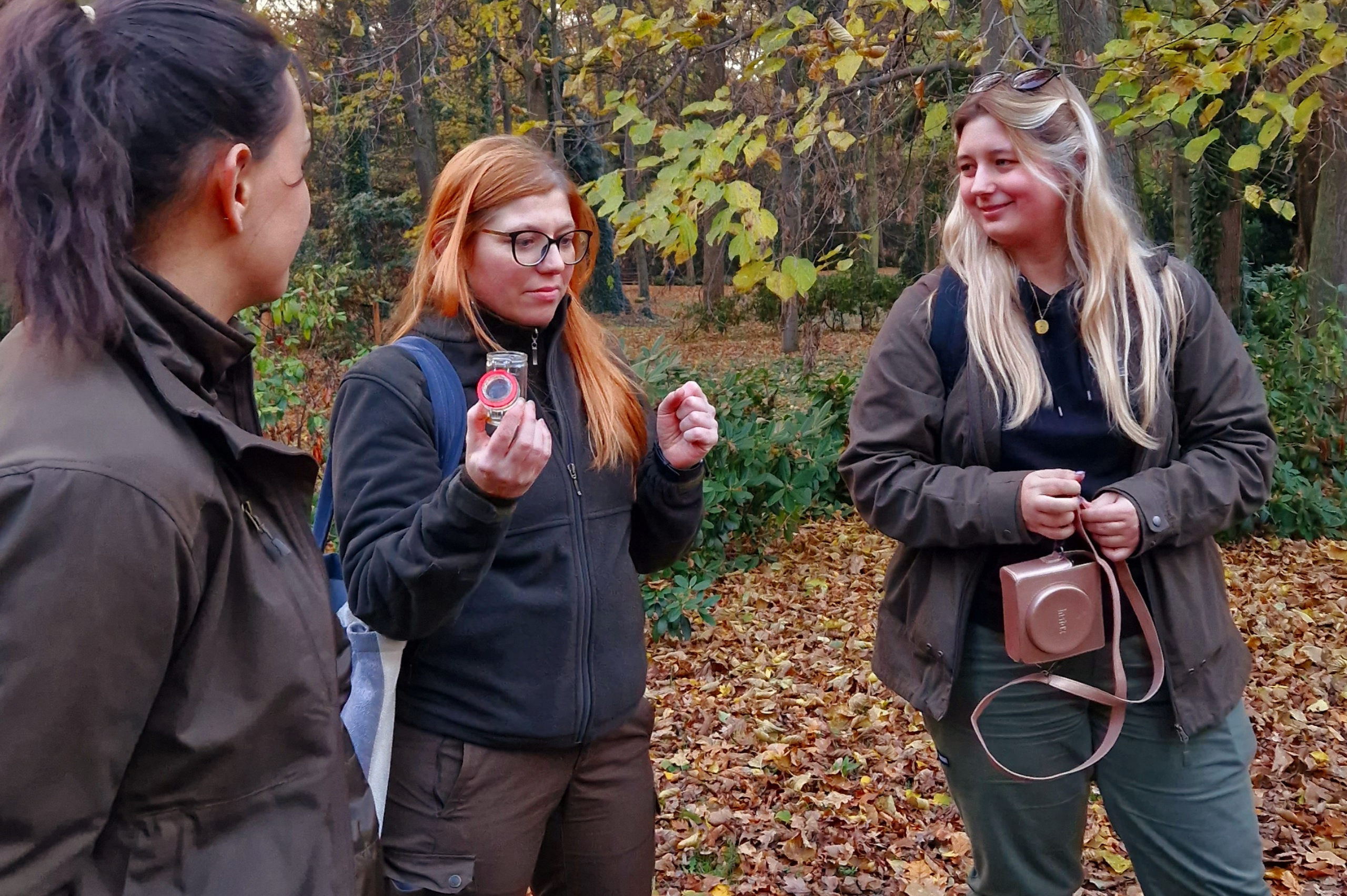
      Along the route, participants encounter various challenge points. Some challenges are completed with the help of animators playing the characters in the scenario, others are self-service, and others are completed using a mobile app.

      Teams earn points for correctly completing tasks. However, it's not just the correct answer that counts, but also the cooperation, creativity, and commitment of the entire team.

      The final score is determined by the number of points earned, the effectiveness of mission completion, and skillful time management. This means that until the very last minutes of the game, it's unclear which team will take the top spot.

      Competition or common mission?

      The finals of the field game can be conducted in two ways – the choice is yours. In the competitive mode, teams race against each other: for the best time, the highest number of points, or the most completed tasks. In the cooperative mode , all teams work towards a common goal – for example, during the game, they acquire code fragments that, when combined, will open the final prize chest.

      Organizing city and field games for companies and cities

      Organizing city and field games for companies and cities

      We create our own puzzles and tasks

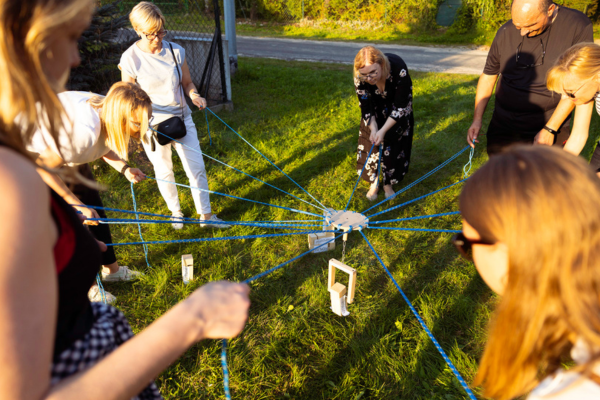
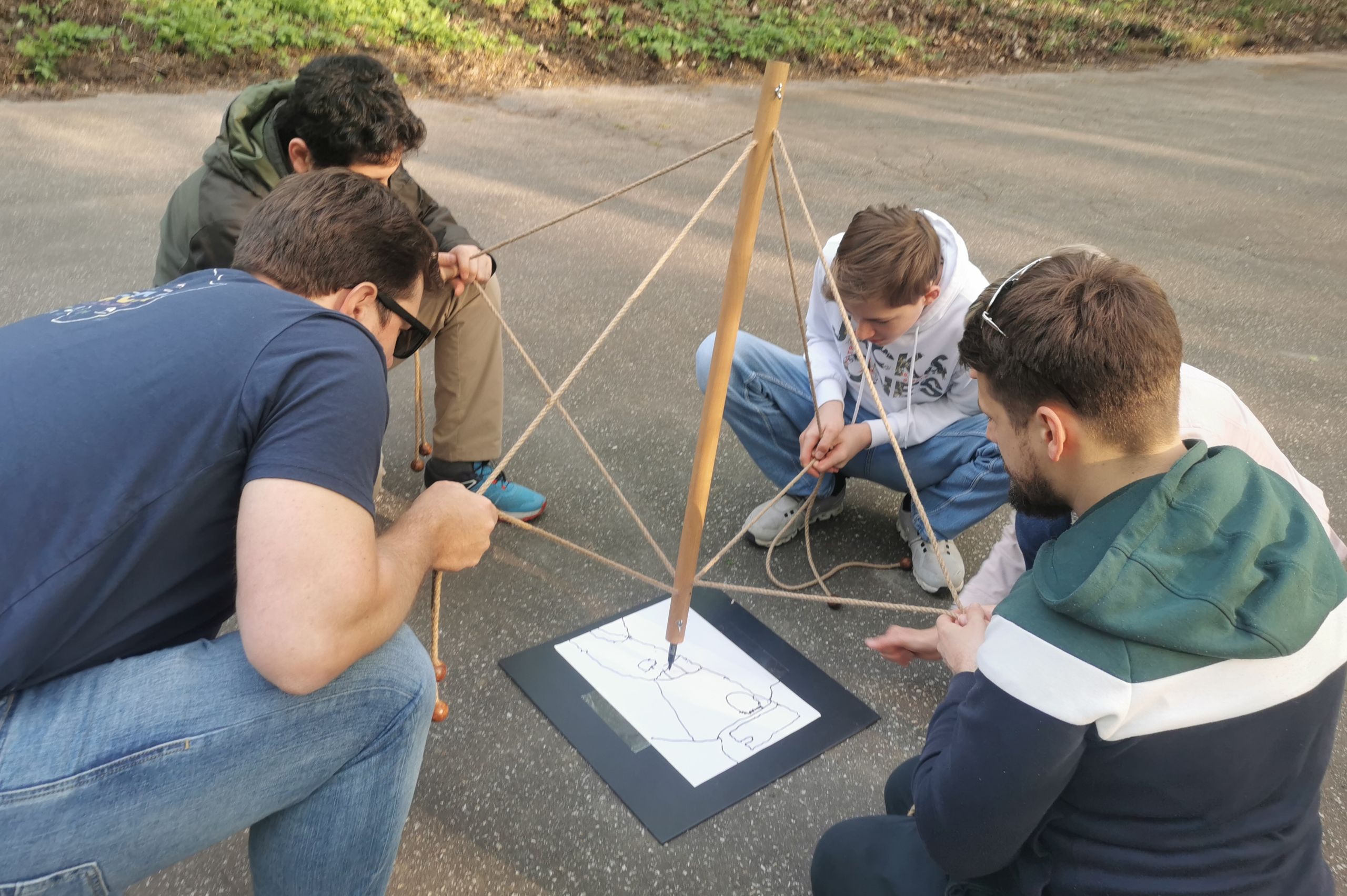
      We design and build many of the puzzles, mechanisms, and tasks used in our games ourselves. We utilize 3D printing, engraving, and laser cutting technologies to create custom elements tailored to the event scenario.

      Thanks to this, participants do not encounter ready-made solutions available at other events, but challenges created specifically for their adventure.

      Experienced coordinators supervise the course of the game.

      A shared start, clearly defined game times, and ongoing support from coordinators allow participants to focus solely on having fun. The event is overseen by a coordinator and a technical team responsible for ensuring the smooth operation of all game areas.

      Entertainment that can become training

      For teams interested in developing soft skills, we offer the opportunity to combine a field game with a trainer-led workshop.

      During a city or field game, the coach, acting as a facilitator, accompanies the groups, observing their communication, collaboration, and decision-making. After the game, the coach shares observations and debriefs the group in a friendly and safe atmosphere.

      Thanks to this, participants not only have great fun, but also gain valuable information about how their team functions.

      What does your team gain? 

      • natural cooperation in solving problems,
      • more effective exchange of information,
      • training in arguing and defending one's own position,
      • practicing analytical and unconventional thinking,
      • greater attention to the perspective of other people,
      • a shared experience that strengthens relationships within the team.