






Skip to content

Deducto – tabletop detective games

A unique investigative puzzle awaits you. In a single room, at a single table, with limited information and difficult communication between players. Will you pass the communication test?

For teams of 10 to 120+ people throughout Poland.

When will a detective game be effective?

A shared puzzle that sharpens the senses for communication.

HR

Company integration

When you want to give people a good reason to act together.

team leader

Training with a trainer

When you want to improve communication within your team.

Agency

Gala or corporate dinner

When you're looking for an attraction that engages guests without leaving their tables.

How does it work?

1

Entering the game world

The Game Master introduces participants to the plot and the rules of the investigation.

2

Transfer of secret materials

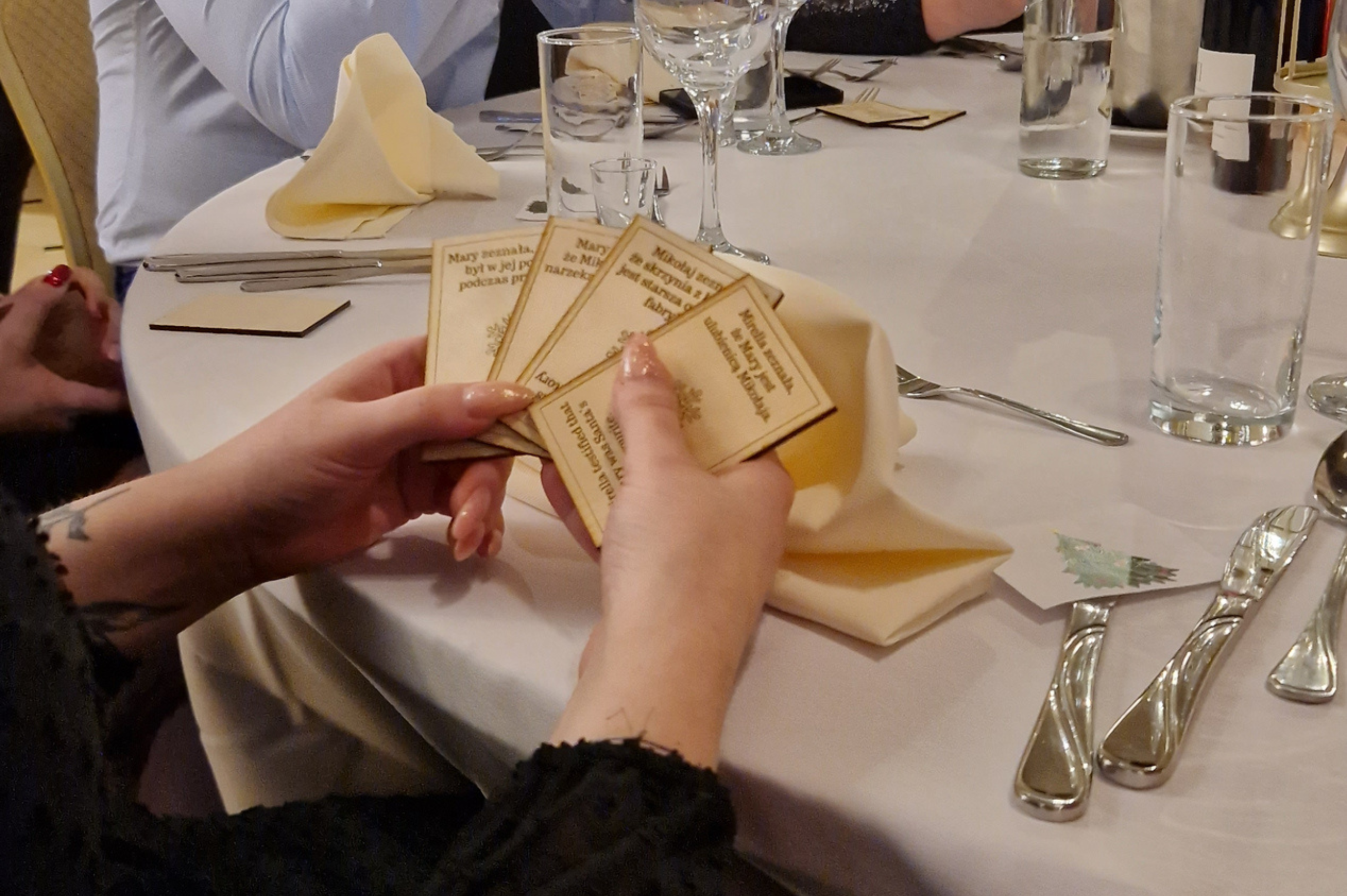
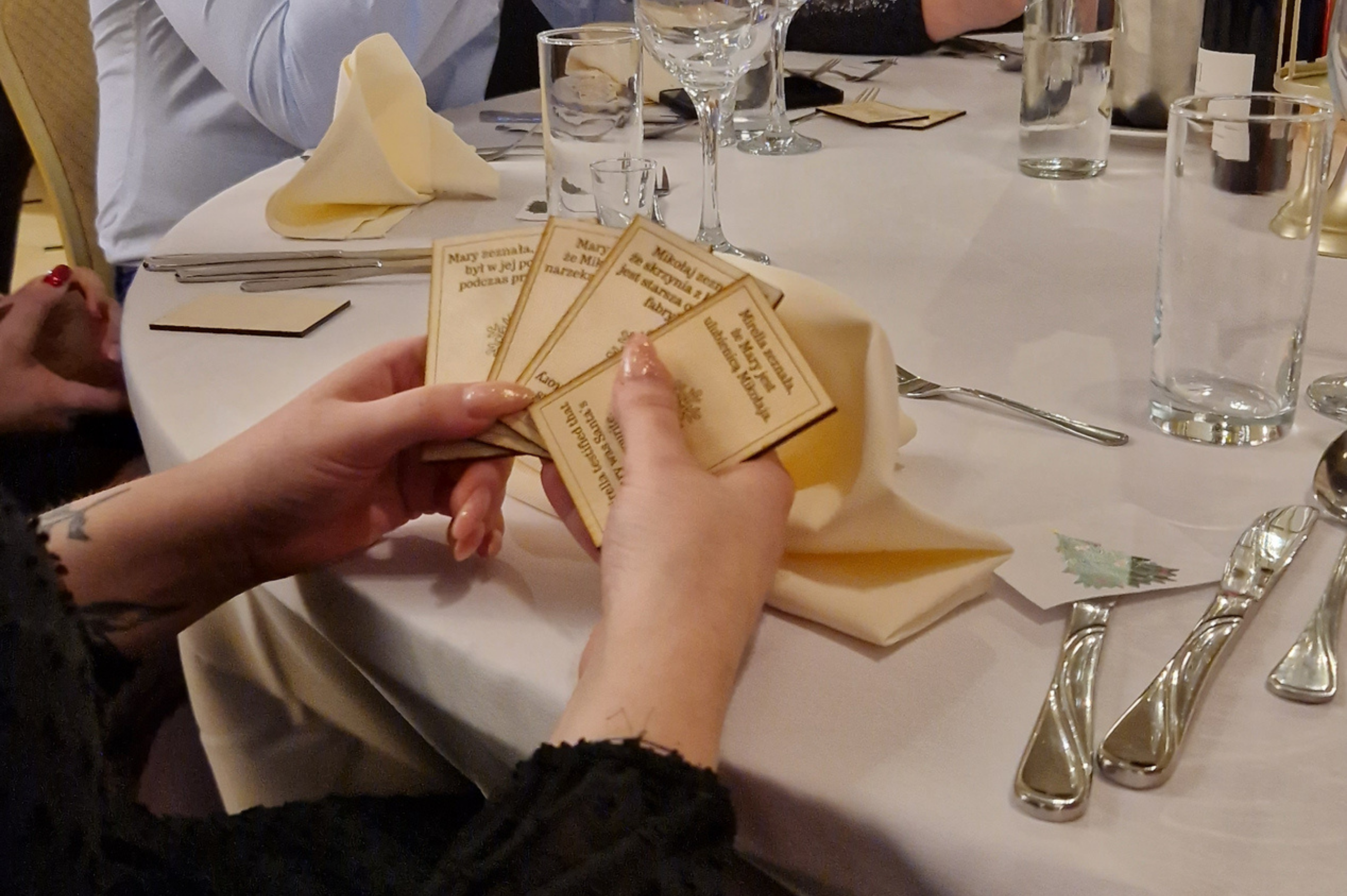
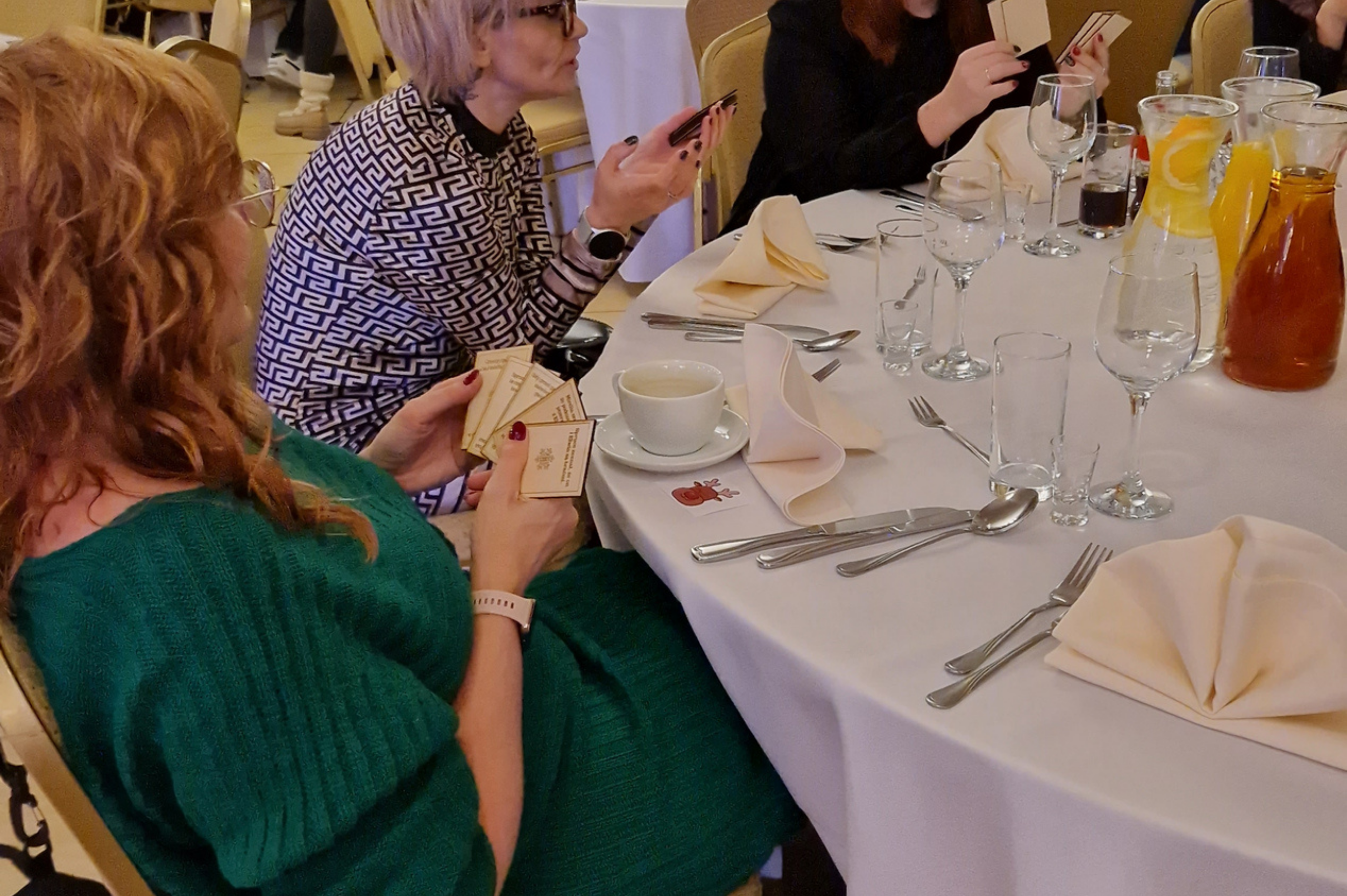
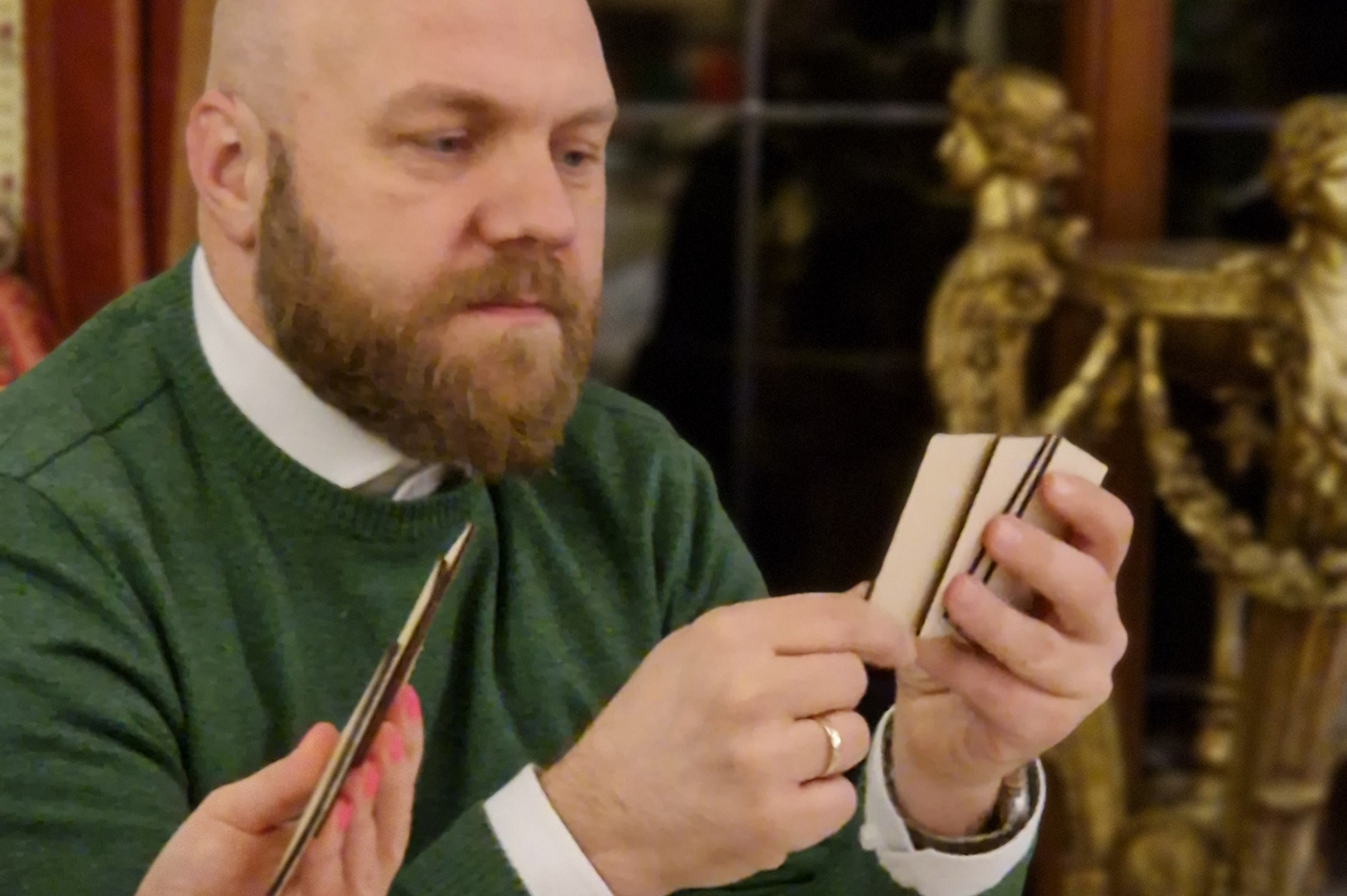
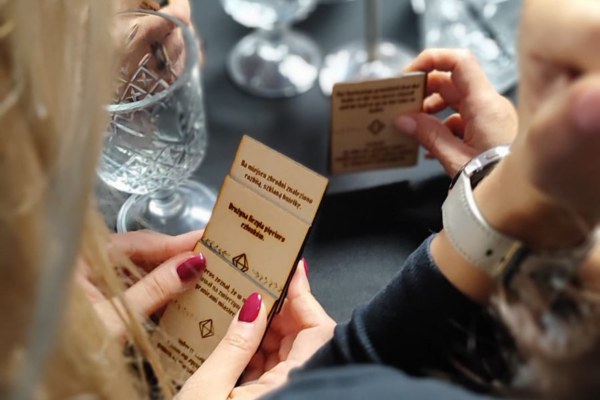
Each player receives their own set of cards containing testimony, facts, and materials related to the case. However, they may not show them to the others.

3

Joint investigation

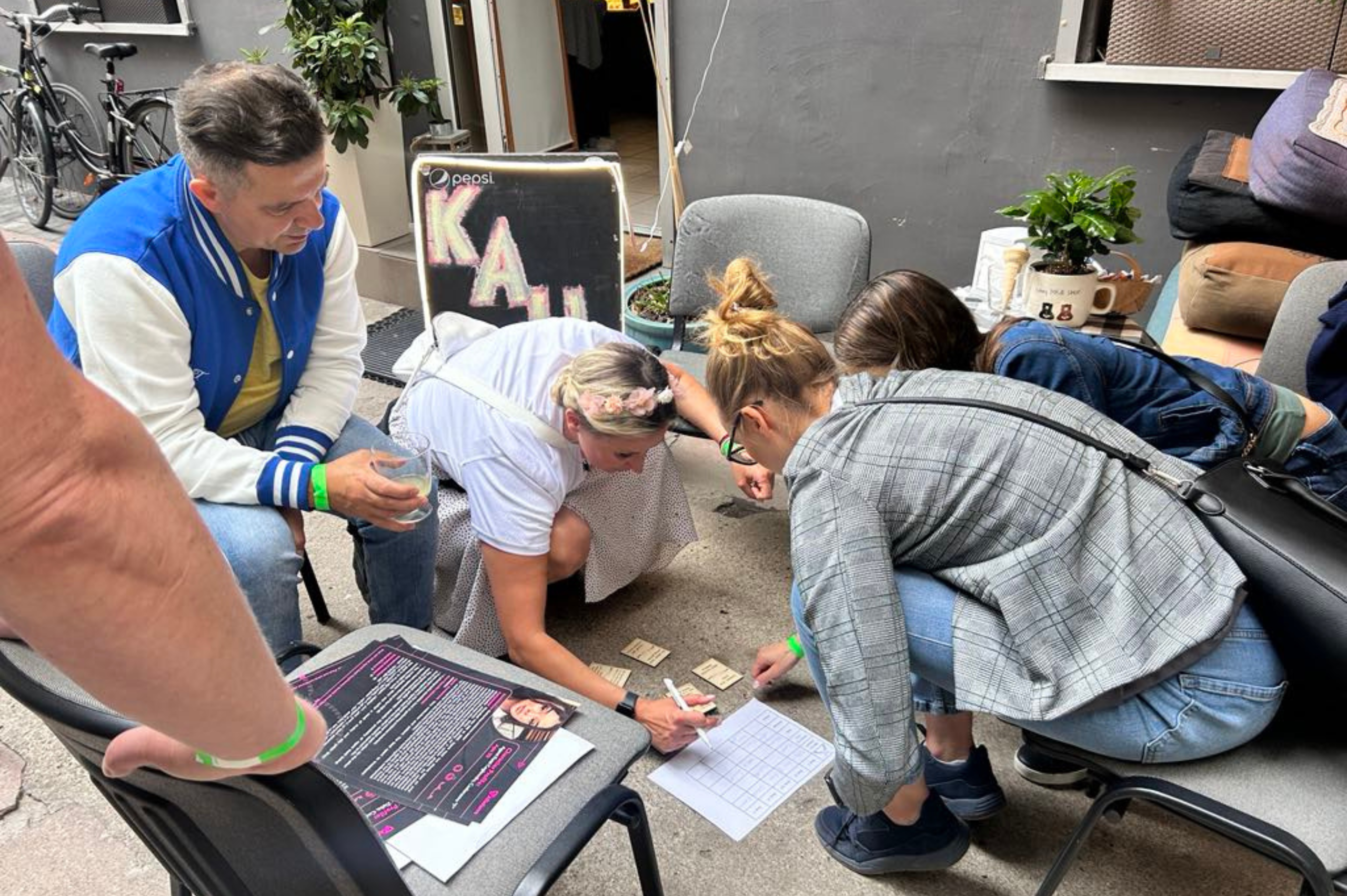
Participants exchange information, analyze leads, and try to separate facts that are important to the case from those that lead nowhere.

4

Connecting the Facts

The team must combine the knowledge of all players, determine the course of events, and answer questions about the case.

5

Verdict

The team identifies the solution to the puzzle, the perpetrator and their motive, and in selected scenarios, they also answer additional questions to check how accurately they recreated the story.

6

Finale and discussion

The Game Master reveals the true course of events. In the training mode, he and the coach also discuss communication, information flow, and team collaboration.

What's included in the package?

  • An original scenario for a tabletop detective game, unavailable outside of our productions.
  • Atmospheric guidance from a Game Master with a role and characterization tailored to the plot
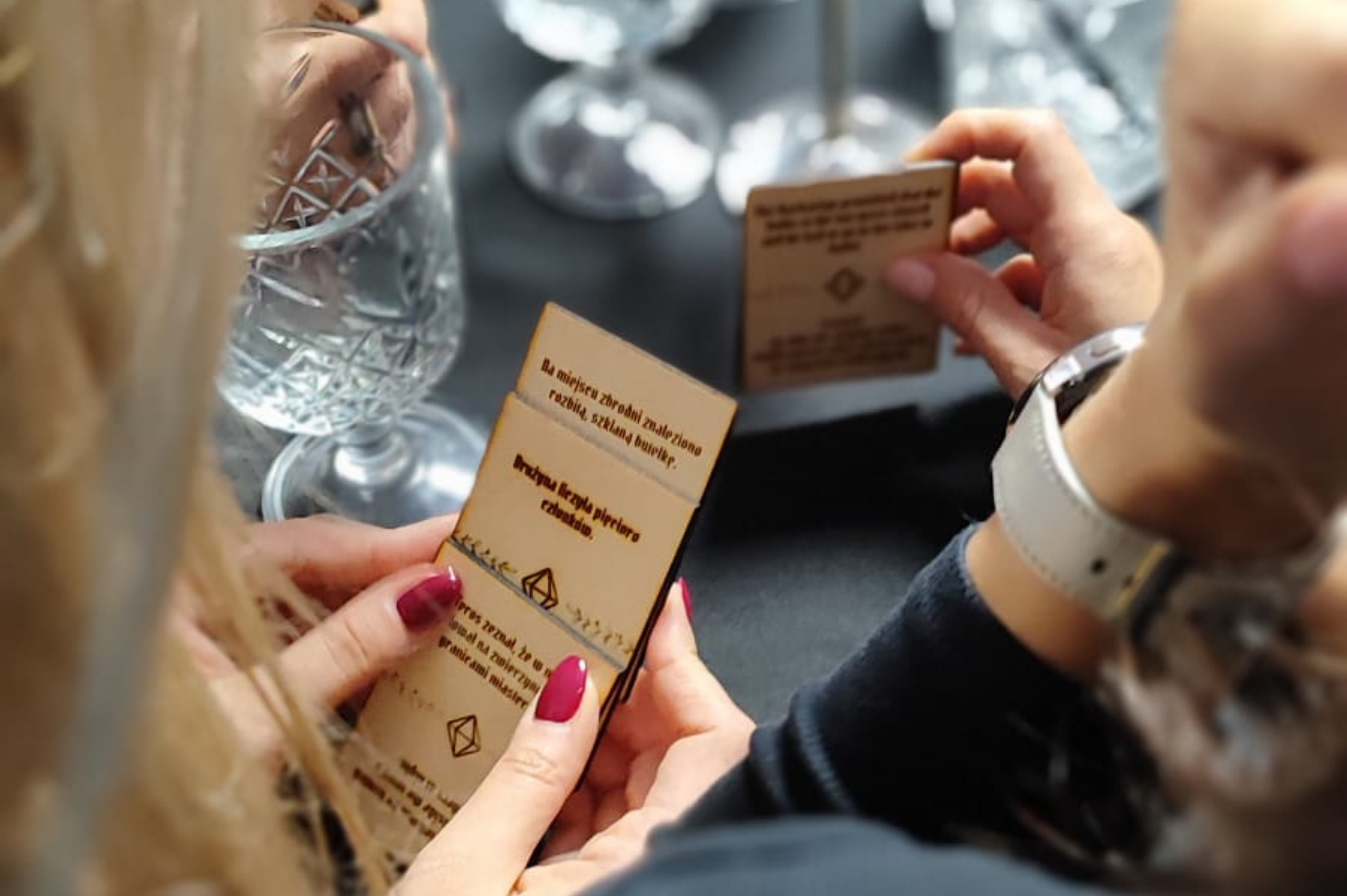
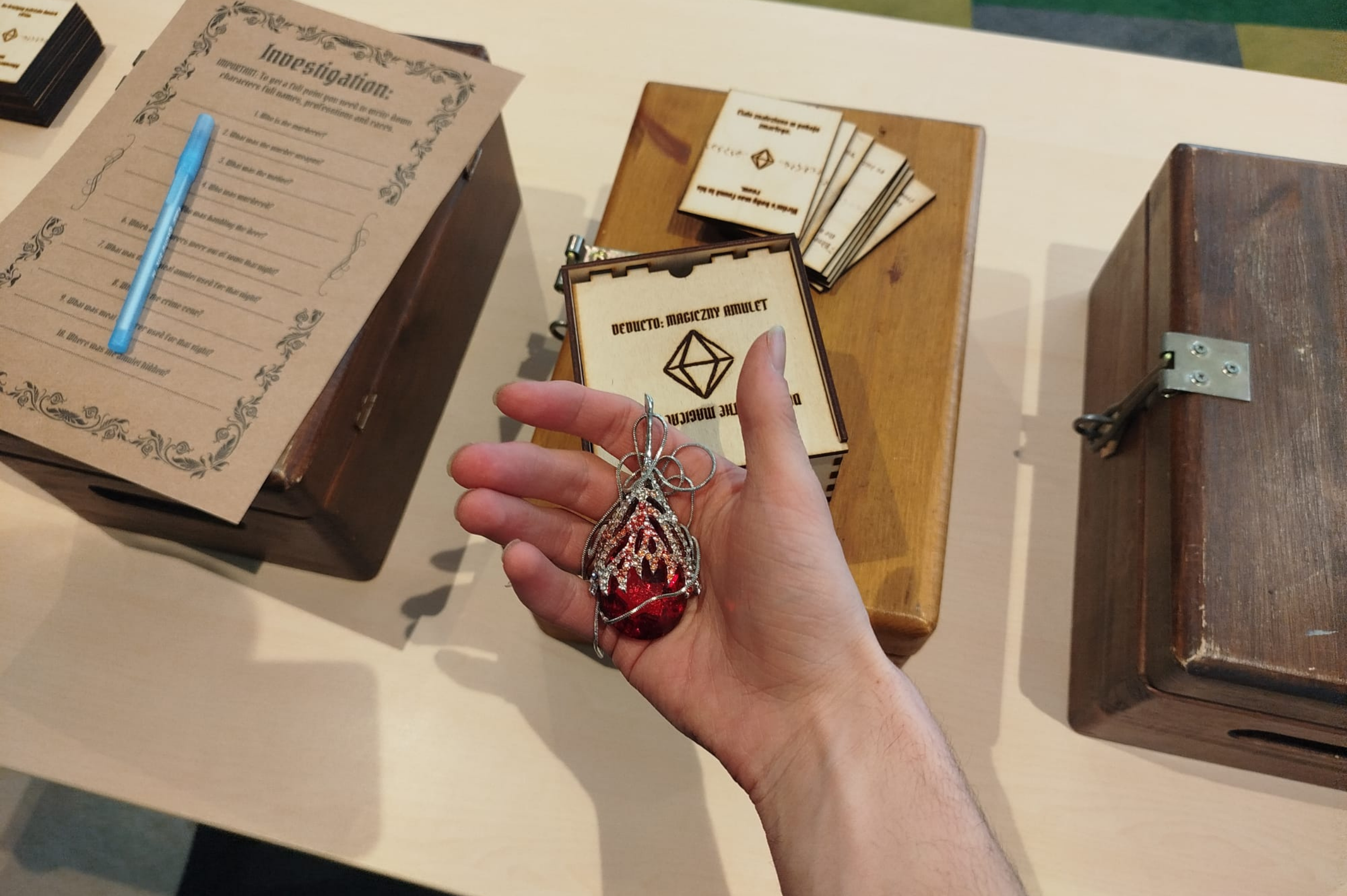
  • Original wooden cards, boxes and chests designed and manufactured by us using laser technology
  • A set of materials, information, testimony and evidence for each participant
  • Additional investigative materials available through QR codes, locked chests, and hidden clues, among others
  • From 4 to 12 participants in one team
  • Up to 10 teams can play simultaneously – for groups of 120+ people
  • From 15 to 90 minutes of gameplay depending on the chosen scenario
  • Possibility of implementation in an integration or training formula
  • Realization of all scenarios in Polish and English

Ask about the date

We respond within 24 hours – 7 days a week

    We played two games: Deducto and Familiada, and we really enjoyed the combination. I highly recommend ordering several games, as they allow you to experience a variety of emotions and create many unforgettable memories.

    Anna Martyniuk

    Implementation options

    Variant: Hotel

    hotel
    • Conference room, restaurant, rooms, hall

    • Fun from 15 to 90 minutes depending on the scenario

    • 4-12 person teams

    • Simultaneous gameplay for 10+ teams

    I need a quick quote

    Variant: Office

    biuro
    • Conference rooms and open space

    • Fun from 15 to 90 minutes depending on the scenario

    • 4-12 person teams

    • Simultaneous gameplay for 10+ teams

    I need a quick quote

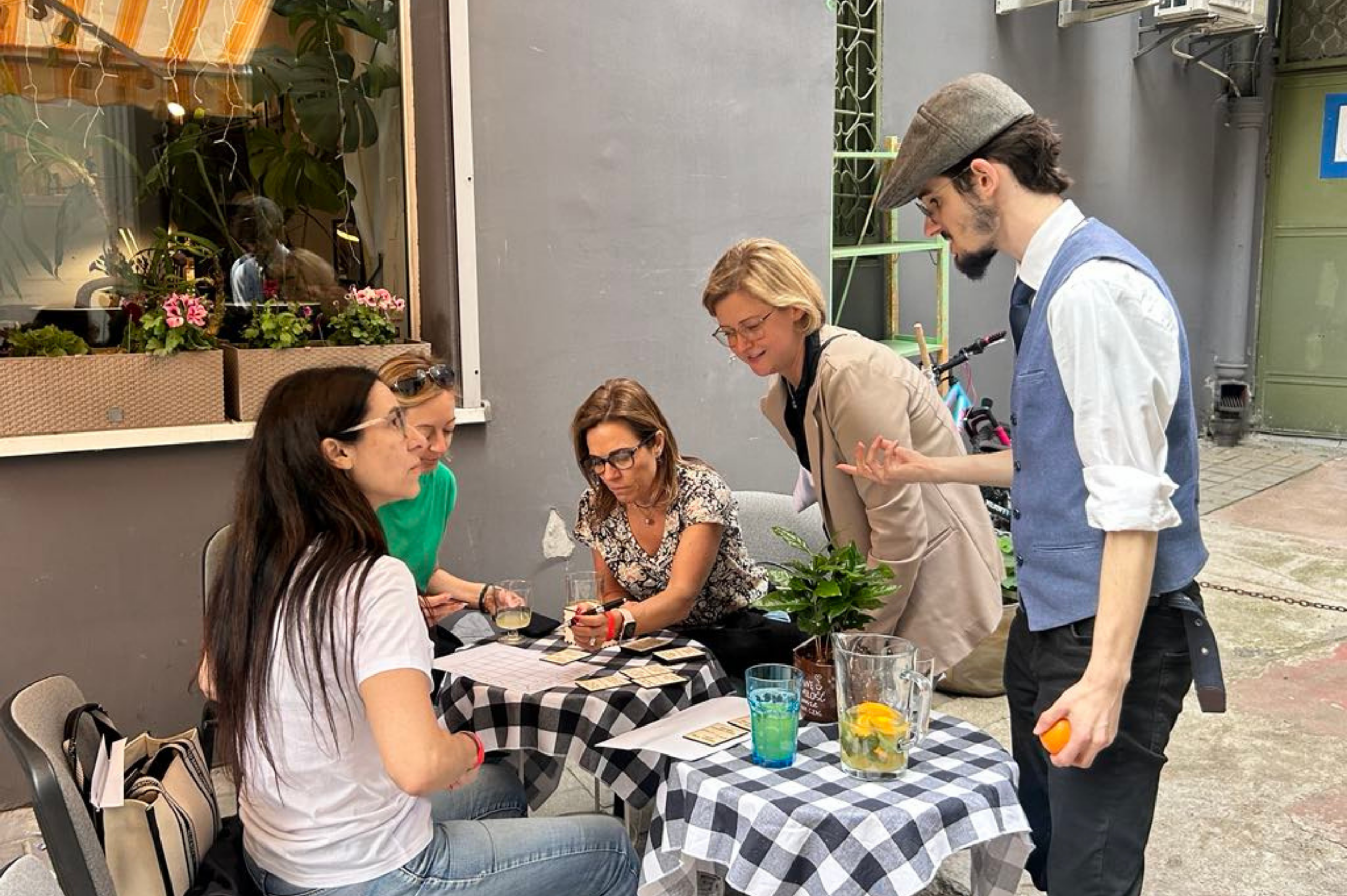
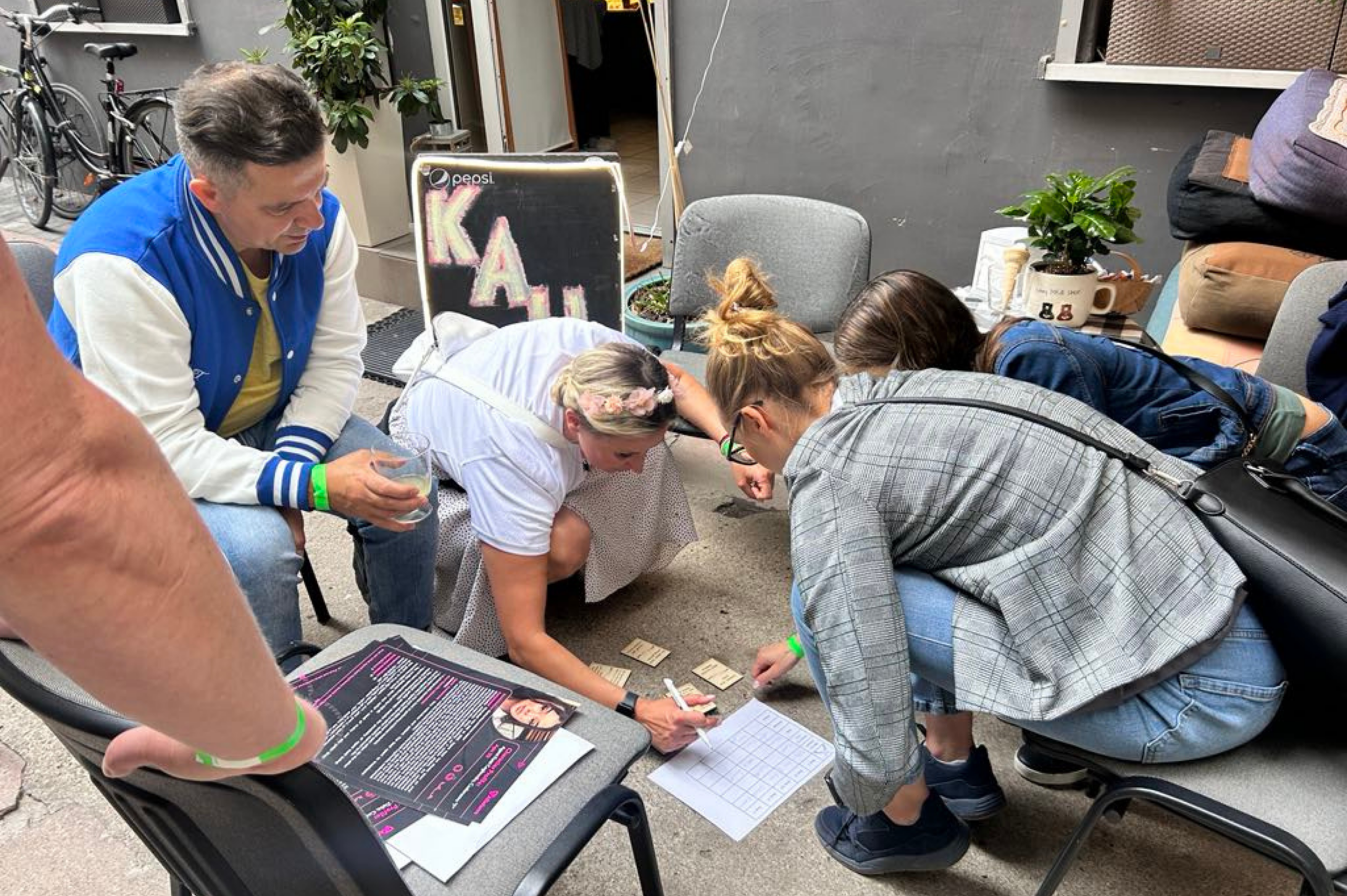
    Variant: Plein air

    outdoor
    • Green area with the possibility of setting up tables and chairs

    • Fun from 15 to 90 minutes depending on the scenario

    • 4-12 person teams

    • Simultaneous gameplay for 10+ teams

    I need a quick quote

    This is what your event could look like

    See how we create MIRACLES, not events (in 1,5 minutes) ;)!

    see-event

    A single setup can accommodate 4 to 12 players. Up to 10 teams can play simultaneously, making Deducto ideal for events with groups of over 100 participants.

    No, Deducto is a desktop detective game – the entire investigation takes place at a shared table. This makes it a perfect match for galas, corporate dinners, conferences, or events held in a single large room.

    Absolutely! The game mechanics are designed to ensure that solving the puzzle requires efficient exchange of information between all participants. Deducto allows you to observe communication, role allocation, active listening, and information management within the team, among other things. Gameplay can be combined with a coach-led discussion.

    Yes, we can create a custom scenario based on your company, product, industry, or chosen theme. We prepare the storyline, card content, materials, and physical game components. We need approximately 1-3 months (depending on the season) to create a fully personalized version.

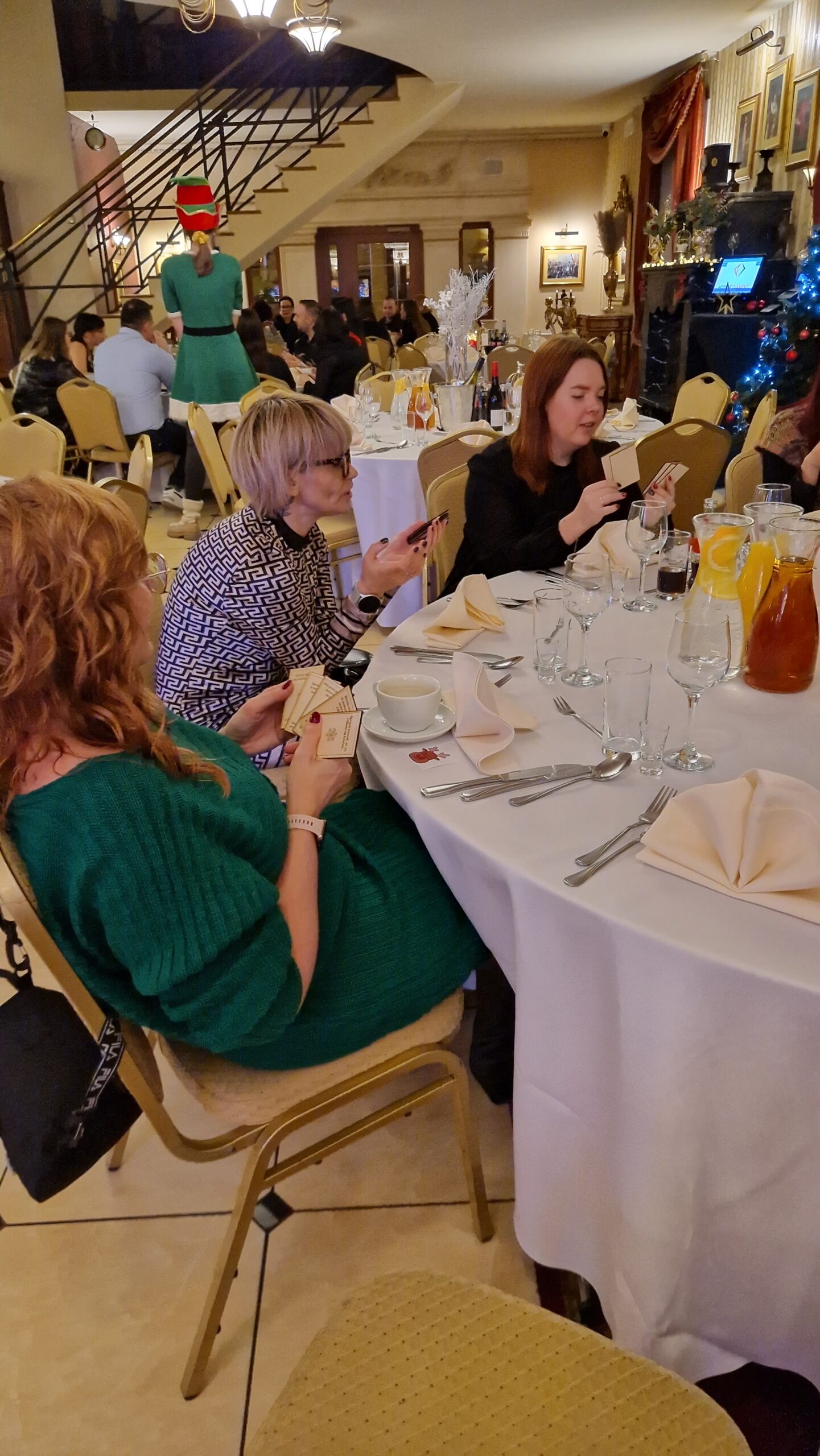
    Setting up a game takes about 5-10 minutes , as does resetting the set for the next team. Deducto also doesn't require emptying entire tables – the materials take up little space, so you can even play during a dinner, gala, or company Christmas party without rearranging the entire room.

    Yes, we can implement all Deducto scenarios in both Polish and English.

    A tabletop detective game where communication is part of the puzzle

    A tabletop detective game where communication is part of the puzzle

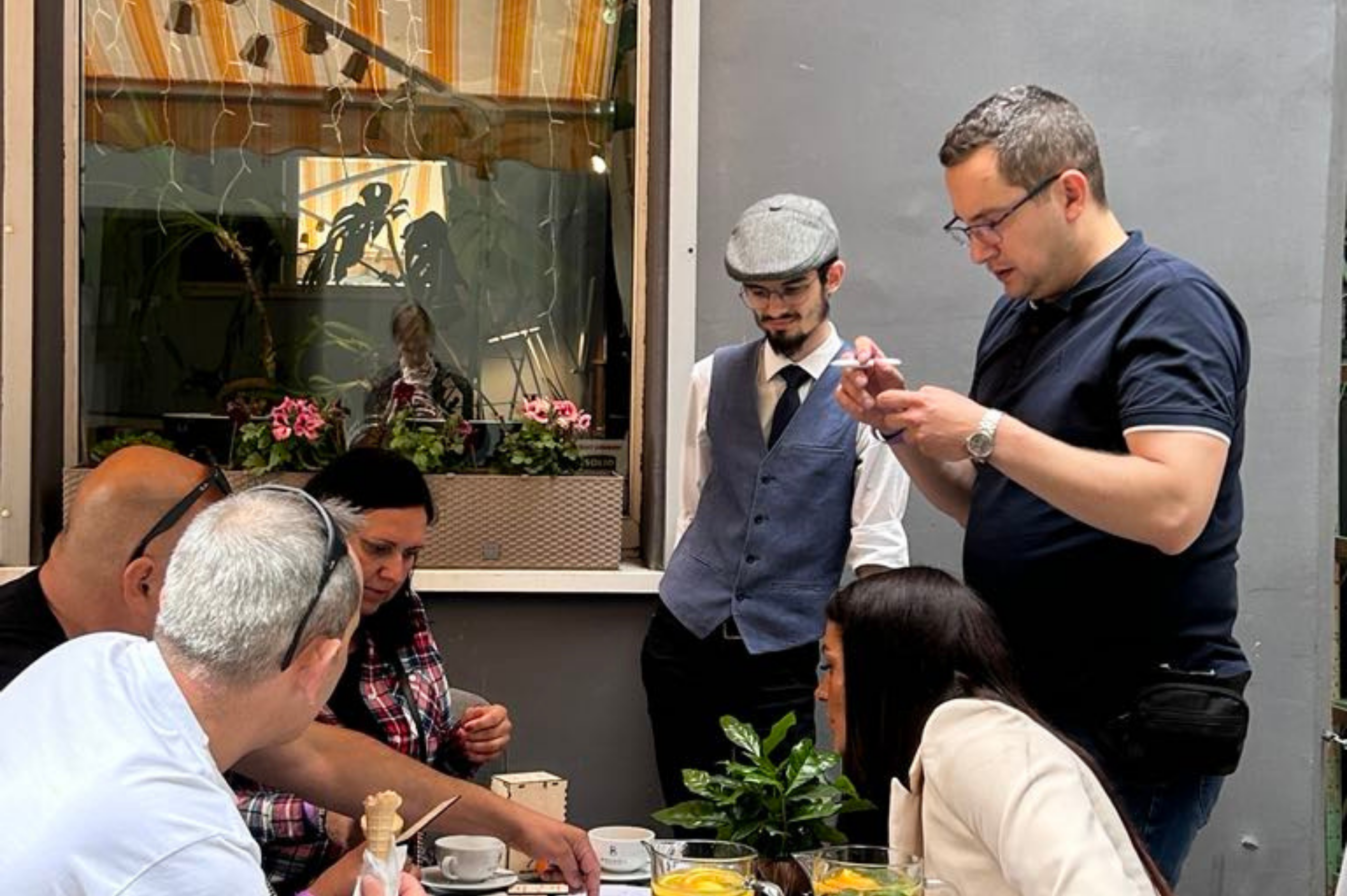
    Deducto is a tabletop detective game for companies in which participants solve a crime together. They don't interrogate actors or move between game points. The entire investigation takes place at a single table, and communication becomes the investigators' most important tool.


    Deducto Scenario Examples

    Secret Agents 

    As agents of internal intelligence, you're on the verge of capturing a dangerous Italian mafia boss . It's known he's hiding in one of five hotel rooms. The problem is, each resident has different habits, weaknesses, preferences, and... favorite weapons. You have witness statements, a handful of information, and only one chance to carry out the manhunt. Pick the wrong spot, and the mafioso disappears without a trace.

    Game time: approx. 15–20 minutes

    Magic Amulet

    After a dangerous journey, a party of adventurers stops at a roadside inn to celebrate the discovery of an incredibly powerful artifact— a magical amulet capable of healing almost any wound or illness . Later that same night, one of the party members is found dead. One thing is certain: the killer must be one of their own . Who committed the murder? What was the crime? And what connection does the priceless amulet have to the murder? A fantasy detective mystery awaits you, where magic intertwines with mundane themes.

    Game time: approx. 60–90 minutes


    Deducto Scenario Examples

    Christmas Doom

    Everything at Santa's Factory should be running like clockwork. The presents are packed, the sleigh is ready, and the elves are bustling about for their final departure. Meanwhile, a mysterious, unaddressed gift appears under the tree, Santa's condition worsens with each passing day, and the chest covered in Celtic runes only complicates matters. So Santa calls in an outside detective firm—you. At your disposal are statements from the factory's residents, mysterious clues, and mounting questions. Who is the gift for, who planted it, and what's really going on at Santa's Factory? You'd better hurry—time is running out before the final departure.

    Game time: approx. 45–60 minutes

    The Company

    A VIP—a Very Important Project — is disappearing at the headquarters of a major technology company . The closely guarded materials were supposed to be kept out of reach of competitors, but everything points to an insider behind the theft. Suspicion is growing among the employees. Rivalry between scientists, a fight for prestige, financial problems, office romances, and secrets that should definitely not be exposed—everyone might have something to hide. What's more, the police determine that a spy is operating within The Company . Are the thefts and his presence connected?

    Game time: approx. 45–60 minutes

    Rules

    In Deducto, the most important investigative tool isn't a magnifying glass or a suspect's interrogation, but information . Each participant receives different materials related to the same case, but one rule turns an ordinary detective puzzle into a true team challenge: you can't show your cards to other players.

    Everyone knows something the others don't. We design the cards so that solving the case requires the knowledge of the entire group. Therefore, it's not enough for one person to take over the investigation – every player has information that could prove crucial and must participate in the exchange. To identify the perpetrator, uncover their motive, and correctly reconstruct the course of events, the team must utilize the knowledge of each participant.

    Tasks

    Players can discuss what they know, ask questions, compare facts, and draw conclusions together. They must decide which information is relevant, spot contradictions, and connect the dots of knowledge scattered among team members. Solving the main puzzle alone is often not enough—additional questions test whether participants have truly understood the story and listened attentively to each other. Depending on the scenario, additional elements may also appear on the table: locked chests, QR codes leading to further investigative materials, physical evidence, or even magical artifacts.

    Deducto as a training tool

    Deducto can be not only a fun and engaging activity, but also a practical exercise in communication and collaboration training. Each participant possesses only a portion of the information needed to solve a case, so the entire team's outcome depends on how people share knowledge, listen to others, select information, and reach shared conclusions.

    In the training version, we supplement the game with observation of the coach and discussion of the conclusions, which allows us to look at what actually helped the team, where communication noise occurred, and whether important information actually reached the right people.

    What will your team practice? 

    • effective exchange and selection of information,
    • active listening and asking the right questions,
    • division of roles and responsibilities in the group,
    • joint decision-making based on incomplete data,
    • detecting noise and communication barriers.

    Similar scenarios

    Request a quote:

      Quick contact: